
Our blog
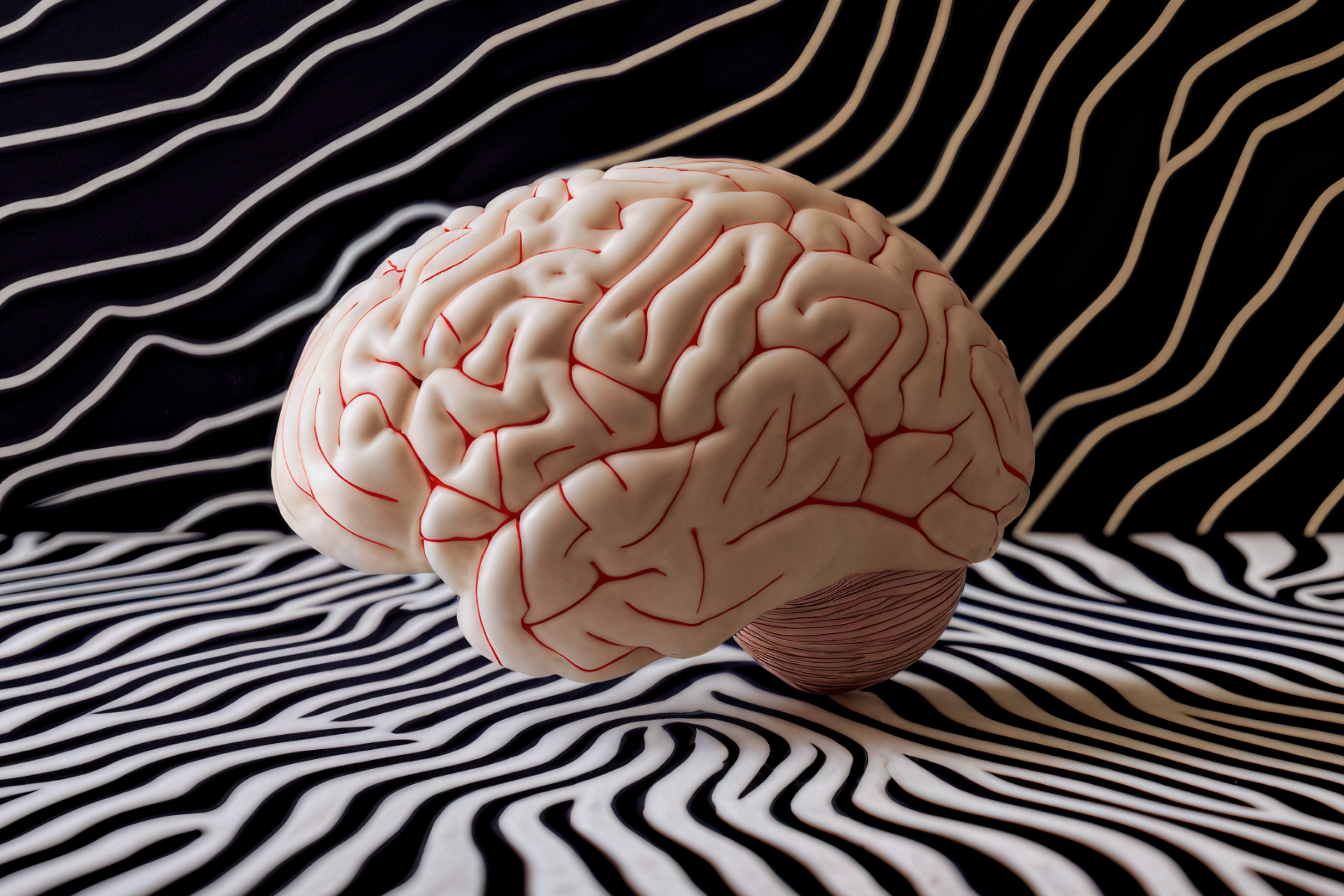
The Trust Economy: Why Your Marketing Needs More Psychology.
In an era defined by perpetual connection and digital fatigue, the fundamental equation of marketing has shifted. It is no longer enough for brands to merely capture attention or employ sophisticated techniques of persuasion. Instead, the ultimate currency of the modern market is trust. Consumers are exposed to an overwhelming volume of commercial messages daily, leading to a state of perpetual skepticism where only the most credible voices manage to penetrate the noise. The core psychological principle underpinning this challenge is the "Commitment-Trust Theory," which posits that trust is not a peripheral benefit, but the central, non-negotiable element required for establishing strong, lasting customer relationships, fostering genuine loyalty, and encouraging powerful brand advocacy. Without this foundation of belief, marketing efforts are simply wasted as background noise.

The Marketing Psychology of Hyper-Personalization
The contemporary marketing landscape is defined by two converging forces: the consumer's growing expectation for hyper-personalized experiences and the simultaneous global mandate for data privacy. This creates an existential challenge for brands, forcing a critical shift away from the traditional, scalable, but ethically fraught reliance on third-party data toward proprietary, consent-driven data sources. The future of effective marketing is no longer about maximizing reach through borrowed lists; it is about deepening relationships through owned insights.